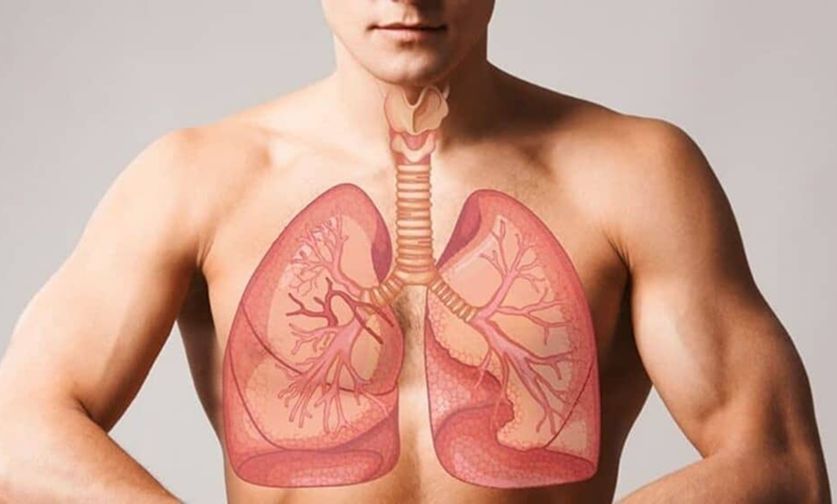
Interstitial Lung Disease
Interstitial Lung Disease (ILD) is a group of over 200 progressive lung conditions that cause scarring (fibrosis) of the lung tissue, making it increasingly difficult to breathe. Without early diagnosis and specialist care, ILD can lead to permanent lung damage and a significant decline in quality of life.
What is Interstitial Lung Disease (ILD)?
Interstitial Lung Disease (ILD) is a group of lung disorders that cause progressive scarring (fibrosis) of lung tissue, making it difficult to breathe.
ILD is not a single disease. It is an umbrella term covering conditions ranging from Idiopathic Pulmonary Fibrosis (IPF) and Hypersensitivity Pneumonitis to ILD caused by autoimmune diseases like rheumatoid arthritis and lupus. Each type has a different cause, progression rate, and treatment approach, which is why seeing a specialist matters.
Key Facts :
Common Symptoms of ILD – When Should You See a Doctor?
If you experience the following symptoms, consult a pulmonologist :
Important: If you have had a persistent dry cough or breathlessness for more than 2-3 weeks, do not wait. Early ILD is treatable. Advanced ILD may not be reversible.
What Causes ILD?
ILD can occur due to various reasons :
Known Causes :
How is ILD Diagnosed?
Dr. shweta uses advanced diagnostic methods to accurately identify ILD :
Treatment Options for ILD
While ILD may not always be curable, effective treatment can control symptoms and slow progression.
Treatment Approaches :
Frequently Asked Questions (FAQs)
Most ILDs are not fully curable, but early treatment can slow progression significantly.
Severity varies. Some forms progress slowly, while others require urgent treatment.
You should consult a pulmonologist if Cough or breathlessness lasts more than 2–3 weeks.
Pulmonary fibrosis is a type of ILD. Not all ILDs are fibrosis, but many involve some degree of lung scarring.