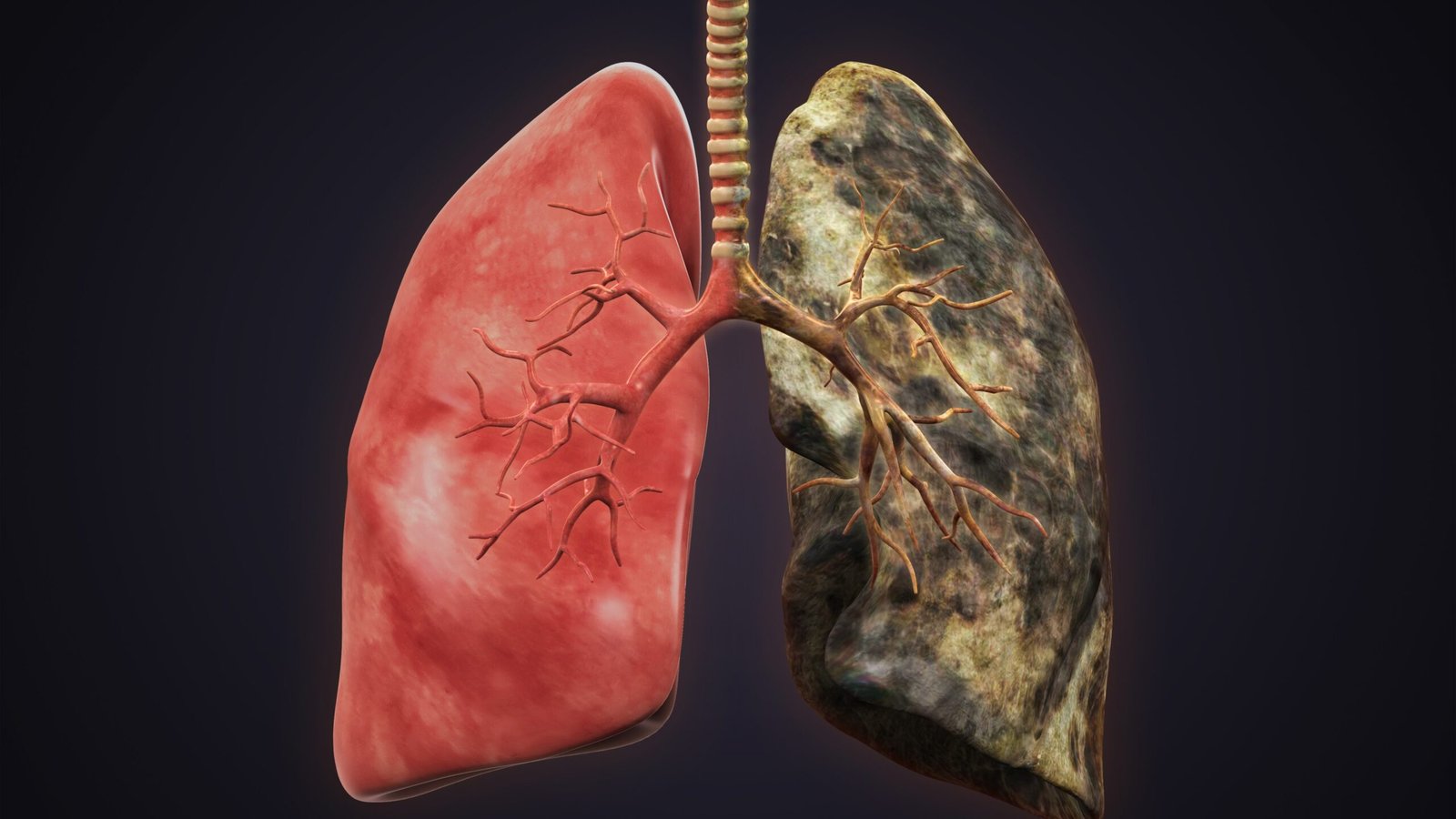
Occupational Lung Disease
Early diagnosis of occupational lung diseases is crucial for effective treatment and prevention of further damage.
Medical History : A detailed assessment of the patient’s occupational history, exposure to harmful substances, and symptom timeline.
Physical Examination : A thorough physical examination focusing on respiratory function and identifying any signs of lung disease.
Pulmonary Function Tests (PFTs) : Pulmonary Function Tests to measure lung capacity, airflow, and gas exchange efficiency.
Imaging Studies : Chest X-rays or CT scans to detect lung abnormalities, scarring, or inflammation.
Laboratory Tests : Blood tests and sputum analysis to identify infections or inflammatory markers.
Bronchoscopy : A Bronchoscopy procedure where a thin tube with a camera is inserted into the airways to examine the lungs and collect tissue samples if needed.
Don’t compromise on your respiratory health
When Should You Consult for Occupational Lung Disease?
You should consult a pulmonologist if you are exposed to dust, chemicals, fumes, asbestos, silica, or other harmful substances at your workplace and experience persistent breathing problems. Early evaluation helps prevent long-term lung damage and ensures timely treatment.
What Are the Symptoms?
- Persistent cough
- Shortness of breath
- Wheezing
- Chest tightness
- Difficulty breathing during work or physical activity
- Excess mucus production
How is the Treatment Performed?
The pulmonologist will review your medical and occupational history, perform a physical examination, and may recommend diagnostic tests such as Spirometry, Pulmonary Function Tests (PFT), Chest X-ray, CT Scan, or other lung assessments. Treatment may include medications, inhalers, pulmonary rehabilitation, and reducing exposure to workplace hazards to prevent further lung damage and improve respiratory health.