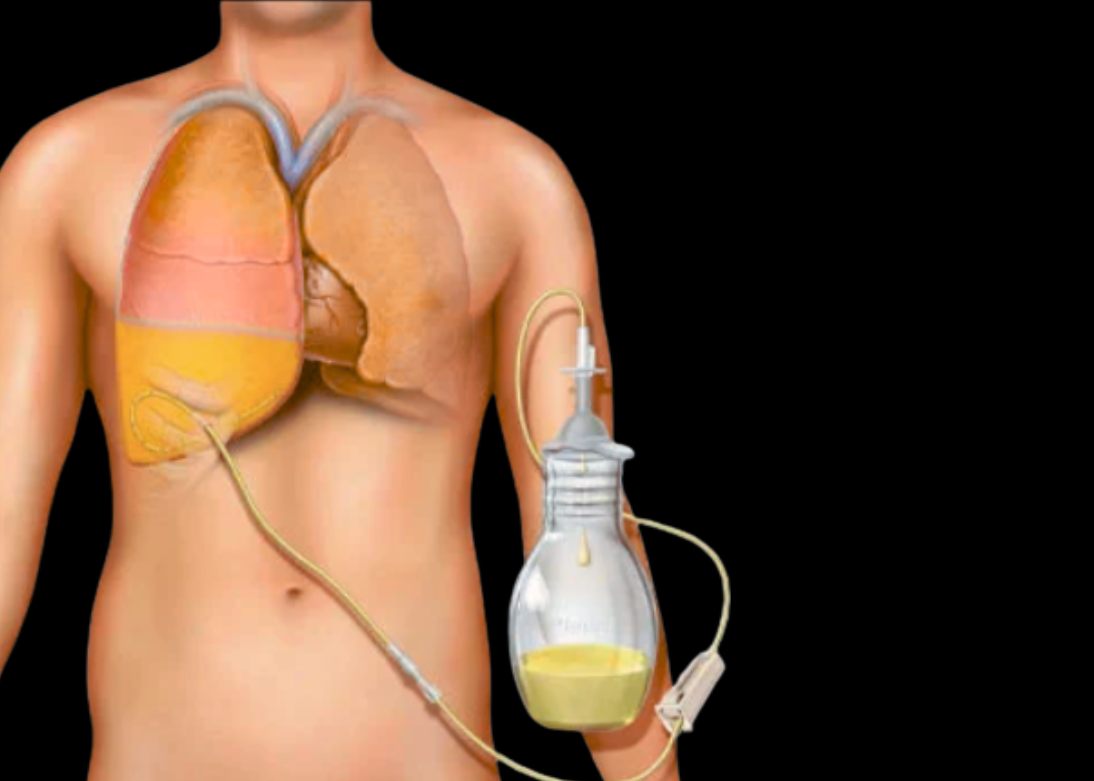
Intrapleural Drain (Chest Tube Drainage)
An intrapleural drain is recommended when excess air, fluid, blood, or pus accumulates in the pleural space (the area around the lungs), causing breathing difficulties. It is commonly used to treat conditions such as pleural effusion, pneumothorax (collapsed lung), empyema, or hemothorax.
When Should You Consider an Intrapleural Drain?
Diagnostic tests are recommended if you experience persistent cough, shortness of breath, wheezing, chest discomfort, or other respiratory symptoms. They also help monitor existing lung conditions and assess treatment effectiveness.
What Are the Symptoms?
How is the Procedure Performed?
The procedure is performed under local anesthesia. A small incision is made in the chest wall, and a sterile drainage tube is carefully inserted into the pleural space to remove excess air, fluid, blood, or pus. The tube is connected to a drainage system and remains in place until the lung re-expands or the fluid is completely drained. The patient is closely monitored throughout the procedure and recovery for optimal healing.